Oil/Water Separator Cleaning Fresno
Fresno’s hard water, restaurant grease, and dusty Central Valley runoff can overload oil/water separators faster than many property owners expect.
Oil/water separator cleaning removes trapped petroleum residue, sludge, grit, and wastewater buildup from separator tanks. This service is for Fresno shops, garages, wash bays, commercial kitchens, and facilities where oily discharge must stay controlled. Fresno’s mineral-heavy water, summer heat, and older downtown infrastructure make regular separator maintenance more than routine housekeeping.
Professional Oil/Water Separator Service In Fresno, CA
Oil/water separators do quiet work until they stop doing it well. In my experience around Fresno, the trouble usually starts with a mix of petroleum film, sand, mop water, detergent residue, and mineral scale settling inside the unit. By the time odors show up or discharge slows down, the separator has often been carrying too much sludge for weeks.
We often see this near Fulton St, Blackstone Ave, Shaw Ave, and commercial pockets around the Tower District where older buildings have been repurposed for food, auto, or maintenance use. Those properties may have separators that were sized for a different kind of operation years ago.
Drain Cleaning Fresno handles separator cleaning with a practical eye on access, waste volume, and what the system is actually receiving day to day. Property owners looking for affordable drain cleaning company usually want clear answers, not vague service windows or guesses about what is inside the tank.
A proper cleaning protects the separator’s function, reduces odor complaints, and helps keep oily wastewater from backing up into work areas. The next step is understanding how we clean the unit without treating it like a simple floor drain.
Our Process for Oil/Water Separator Cleaning
Site Check And Access Review
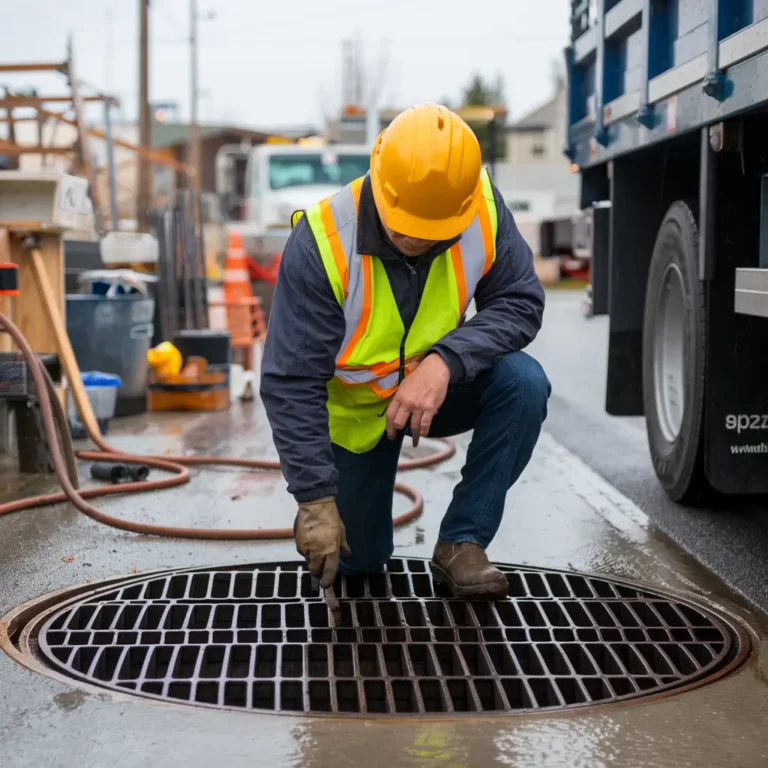
We start by locating the separator, checking lids, measuring access space, and looking at what drains into the unit. A separator behind a tire shop near Belmont Ave behaves differently from one connected to a small wash bay near Fig Garden.
We also ask what the facility has noticed lately: slow draining, oily sheen, sour smells, recurring sludge, or wastewater standing higher than normal. Those details matter because they point to whether the issue is mainly maintenance buildup, inlet restriction, outlet obstruction, or heavy sediment loading.
Sludge, Oil, And Grit Removal
Once the unit is accessible, the separator is opened carefully and the contents are removed in stages. The top oil layer, settled sludge, sand, and dense grit are handled as the actual problem material, not just “dirty water.”
This is where local conditions matter. Fresno’s dry months bring a lot of dust into service yards and wash areas, and that grit eventually settles inside the separator. Hard water scale can also cling to walls and baffles, reducing the space the unit needs to separate oil from water properly.
Interior Rinse And Component Inspection
After the heavy material is removed, the inside is rinsed so baffles, inlet areas, outlet points, and chamber walls can be seen clearly. We look for cracked fittings, missing parts, collapsed baffles, heavy corrosion, and signs that wastewater is bypassing the separation path.
That inspection is where experience saves money. We often see older separators near downtown Fresno and the Tower District with access lids that still open fine, but internal parts have shifted or deteriorated. A quick surface clean would miss that.
Flow Confirmation And Maintenance Notes
Before wrapping up, we confirm the unit is draining and receiving water correctly. If the outlet side is slow, we explain what we saw rather than pretending a cleaning fixed something deeper.
We also give practical maintenance guidance based on the property’s use. A light-use facility near Van Ness may not need the same schedule as a busy auto bay near Shaw and Blackstone. That honest read helps prevent surprise backups, odor calls, and messy emergency cleanouts later.
A clean separator should not just look better inside; it should give you a clearer picture of how your facility’s wastewater is behaving.
Cost Of Oil/Water Separator Service In Fresno
Oil/water separator cleaning in Fresno commonly starts around $350 to $650 for smaller, easy-access units with moderate buildup. Larger commercial separators, heavy sludge loads, difficult lid access, or extra disposal needs can push the price into the $750 to $1,500+ range.
The biggest cost drivers are volume, material thickness, access, and labor time. A separator with mostly water and a light oil layer is faster to service than one packed with dense sludge, clay-like grit, and hardened grease around the baffles. If the lid is blocked by equipment, sealed under debris, or located in a tight alley near Fulton St, setup time adds to the labor.
Waste handling also matters. Oil, sludge, and contaminated water cannot be treated like ordinary drain debris. The disposal path, amount removed, and condition of the material all affect the final bill.
In Fresno, we also pay attention to seasonal use. Summer heat can make odors stronger and wastewater residue thicker, especially in restaurants, auto shops, and wash areas. Waiting until the unit smells bad usually costs more than cleaning it before buildup reaches the outlet side.
The most useful estimate comes from knowing the separator size, access point, and symptoms before scheduling the work.
Signs You Need Oil/Water Separator Service
Oily Sheen Around The Drain Area
A rainbow film near floor drains or discharge points means the separator may be overloaded, bypassing, or carrying more oil than it can separate.
Sewer Odors Near The Separator Lid
Strong odors around the lid, wash bay, or nearby trench drain often point to trapped sludge breaking down inside the separator.
Fresno Dust And Grit Keep Returning
Heavy grit after windy days, yard washing, or shop cleanup can settle fast, especially near industrial areas and Central Valley clay soil.
These warning signs usually show up before a full backup, which is why checking the separator early can prevent a larger cleanup.
Customer Reviews About Our Oil/Water Separator Cleaning Service
Why Choose Drain Cleaning Fresno for Oil/Water Separator Service?
Deep Local Knowledge
13 years of expertise serving Fresno’s unique plumbing challenges from Tower District to Fig Garden
Drain Cleaning Specialists
Unlike general plumbers, our exclusive focus on drain cleaning means superior results
Your Fresno Neighbors
Our technicians live and work in Fresno County, understanding local building standards and water issues
Transparent Pricing
Clear upfront quotes with no hidden fees or surprise charges
Lasting Solutions
Our 93% first-visit resolution rate means your problems stay solved
Community-Backed Reputation
70% of our business comes from satisfied repeat customers and their referrals
FAQ'S About Oil/Water Separator Cleaning
How much does oil/water separator cleaning cost in Fresno?
Most smaller cleanings run about $350 to $650, while larger or heavily loaded separators can cost $750 to $1,500 or more. The final price depends on size, access, sludge volume, and disposal requirements.
How often should an oil/water separator be cleaned?
Many Fresno facilities need cleaning every 3 to 6 months, but light-use separators may go longer. Auto shops, wash bays, and restaurants usually need shorter intervals because oil, grit, and detergent residue build up faster.
What happens during the cleaning?
The separator is opened, liquid and sludge are removed, the inside is rinsed, and the inlet, outlet, and baffles are checked. The goal is to restore separation space and catch problems before wastewater backs up.
Can I clean an oil/water separator myself?
Basic visual checks are fine, but full cleaning is not a DIY job. The material inside can include oil, contaminated sludge, grit, and wastewater that requires proper handling and disposal.
Why does my separator smell worse during Fresno summers?
Heat speeds up odor production inside tanks that already contain sludge, grease, and organic residue. Fresno’s long hot season can make a neglected separator noticeable much faster than during cooler months.
What are the most common signs the unit is full?
Slow drainage, oily film, bad odors, standing water near the lid, and recurring sludge in nearby drains are common signs. A separator can also be overloaded before any obvious backup happens.
Does hard water affect an oil/water separator?
Yes. Fresno hard water can leave mineral scale on internal surfaces and around fittings. That scale does not replace sludge cleaning, but it can reduce efficiency and make inspection more important.
How long does the service usually take?
A small, accessible separator may take 1 to 2 hours. Larger units, thick sludge, blocked lids, or difficult access can take longer because removal and rinsing must be done carefully.
Will cleaning fix every separator problem?
Cleaning restores capacity and lets the unit work as designed, but it will not repair cracked baffles, collapsed piping, or an undersized system. Those issues are usually found during inspection after the contents are removed.
What maintenance helps between cleanings?
Keep solids, mop debris, excess grease, and yard sediment out of the drains feeding the separator. In Fresno, sweeping dusty work areas before washdown helps reduce grit settling in the bottom of the tank.
 Residential Drain Cleaning