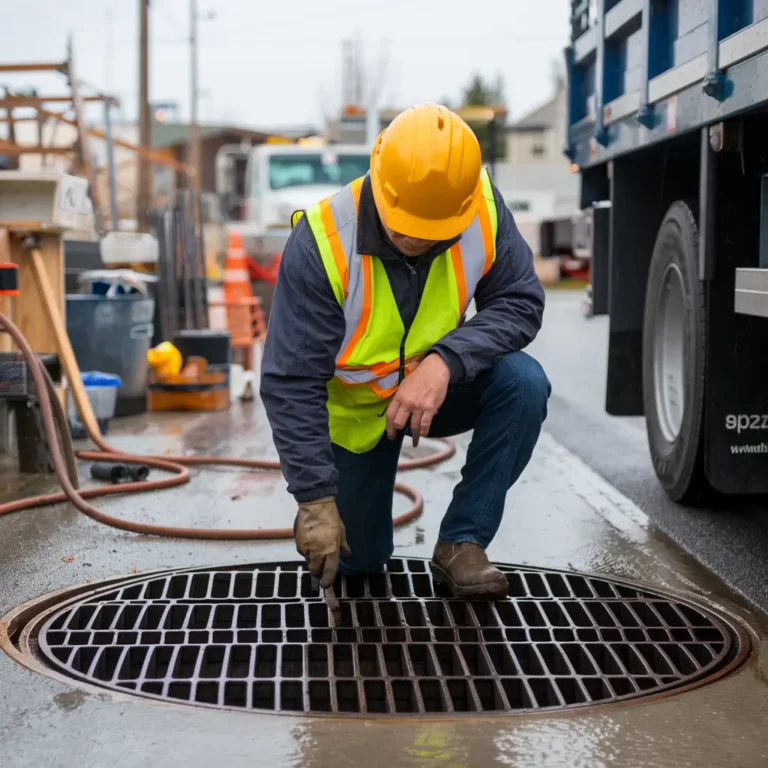
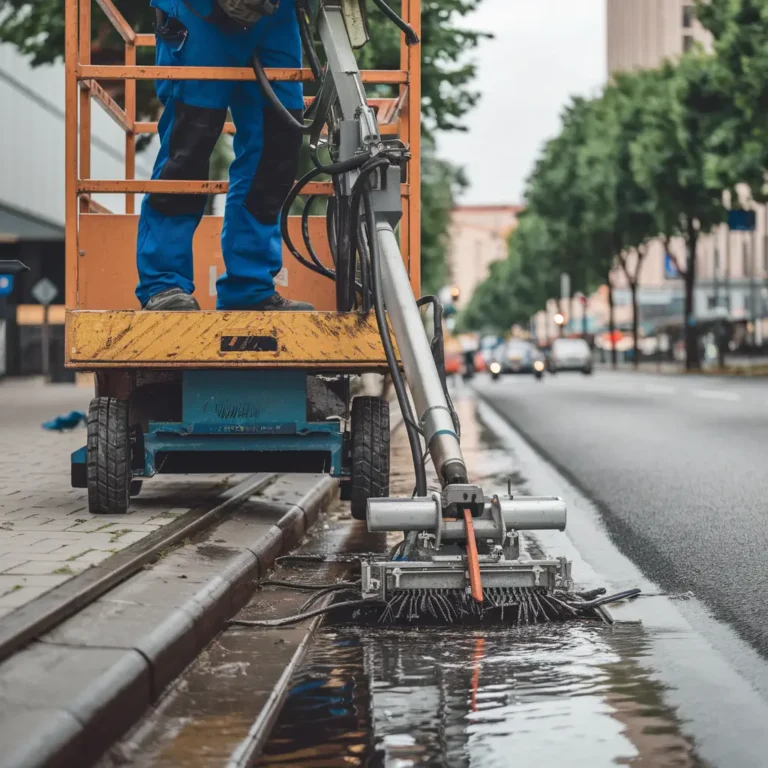
Grease Interceptor Cleaning Fresno
Fresno kitchens fight hard water scale, summer grease thickening, and older downtown lines near Fulton St that can turn a full interceptor into a shutdown.
Grease interceptor cleaning is the removal of fats, oils, grease, food solids, and sludge from commercial kitchen interceptor tanks. It is for Fresno restaurants, cafes, commissaries, schools, and food prep spaces where heat, mineral-heavy water, and older sewer infrastructure make buildup happen faster.
Professional Grease Interceptor Cleaning In Fresno, CA
Grease interceptor cleaning in Fresno is not just a “pump it and leave” job. In my experience, a kitchen near Shaw Ave can have a completely different buildup pattern than a small cafe close to Fulton St, even if both serve similar food. Water hardness, dishwashing volume, interceptor size, and how often the fryer station is cleaned all change what we find inside the tank.
Drain Cleaning Fresno handles grease interceptor service with the kind of local judgment that matters in Central Valley kitchens. We remove floating grease caps, settled solids, and sticky sidewall residue that can restrict flow before anyone notices a problem at the floor drain. For local business owners searching for skilled drain cleaning contractors, the goal is simple: keep wastewater moving and keep the kitchen open.
We often see older food spaces around Tower District and downtown Fresno with tight plumbing layouts, aging cast iron, or past buildup that was never fully cleared. A proper cleaning helps protect the interceptor, the downstream line, and the working rhythm of the kitchen. The way we clean it starts before the truck hose ever goes into the tank.
Our Process for Grease Interceptor Cleaning
Site Check Before the Lid Comes Off
We start by looking at access, interceptor location, kitchen flow, and any signs of backup around sinks, floor drains, or prep areas. A small restaurant near Fig Garden may have an indoor unit under a sink, while a larger kitchen near Blackstone Ave may have an outdoor buried interceptor with heavier volume.
That first look matters because Fresno’s heat can make grease behave differently through the year. In cooler months, FOG can stiffen near the inlet and outlet baffles. During long summer stretches, kitchen volume and odor issues can show up faster, especially when an interceptor is already near capacity.
Full Removal of Grease, Solids, and Sludge
Once access is clear, we remove the grease layer, wastewater, settled food solids, and dense sludge from the interceptor chamber. We do not treat the top layer as the whole problem. Most serious restrictions sit lower in the tank where solids collect and reduce working capacity.
We also check the inlet and outlet areas because those are the spots where trouble often begins. In older Fresno buildings, we sometimes find hardened buildup around baffles or pipe openings that slows discharge even after the tank looks empty. That is why a careful cleanout is different from a quick surface pump.
Wall Scrape and Flow Area Inspection
After the bulk material is removed, we scrape the interior walls, lid edges, and reachable flow surfaces. This step helps remove grease that clings to the sides and reforms quickly after a basic pump-out. Hard water scale can make this residue grip more stubbornly, especially in kitchens that run hot rinse water all day.
We often explain this part to customers because it is where the value shows up later. A clean-looking tank with coated walls can still smell bad and lose capacity quickly. Businesses looking for a reliable local company often start with Drain Cleaning Fresno because they want the interceptor cleaned with attention to the details that affect daily kitchen operation.
Final Check and Practical Service Notes
Before closing the lid, we check visible flow points and look for signs of damaged baffles, missing covers, excessive solids, or unusually fast grease accumulation. If something looks off, we explain it plainly. No scare tactics. Just what we saw and what it means for the kitchen.
We also give practical timing guidance based on the actual condition of the interceptor, not a generic calendar. A taco shop near Belmont Ave, a bakery near Tower District, and a school kitchen near Bullard will not always need the same schedule. Once the interceptor is clean, the next question is usually what the visit should cost and why prices vary.
Cost Of Grease Interceptor Cleaning In Fresno
Grease interceptor cleaning in Fresno usually ranges from about $175 to $450 for smaller indoor or under-sink units, while larger outdoor interceptors can run from about $350 to $900 or more. The price depends on tank size, access, material volume, depth, disposal requirements, and whether hardened grease has to be broken loose by hand.
A simple indoor unit that is easy to reach may take less labor. A buried interceptor behind a restaurant near Fulton St with heavy solids, tight parking, or a stuck lid takes more time. Labor is a real cost because the technician has to expose the unit safely, remove the contents, clean the surfaces, check flow areas, and close everything back up without interrupting the kitchen more than necessary.
Disposal also affects the price. Grease, wastewater, and food solids cannot be dumped casually. They have to be handled properly, and heavier loads cost more to haul and dispose of. If the interceptor has gone too long between cleanings, the job can take longer because the grease layer becomes dense and the sludge at the bottom reduces the working capacity.
In my experience, the most expensive visit is usually the one that happens after a backup. A planned cleaning is almost always easier to price, easier to schedule, and less disruptive than a late-night kitchen drainage problem. The warning signs usually show up before the interceptor fully blocks flow.
Signs You Need Grease Interceptor Cleaning
Slow Sink Drainage During Prep
Prep sinks, mop sinks, or dish areas draining slowly during lunch rush often mean grease and solids are restricting interceptor flow, not just surface debris.
Sewer Odors Near Floor Drains
Grease breakdown can create sour odors around floor drains, especially during Fresno heat. That smell often means the tank is overloaded or overdue.
Fruit Flies Around the Dish Area
Fruit flies near drains are not always a simple cleaning issue. Grease film and food solids inside the interceptor can keep attracting them.
These signs tend to get worse under kitchen pressure, so hearing from local customers helps show what this work looks like in real Fresno buildings.
Customer Reviews About Our Grease Interceptor Cleaning Service
Why Choose Drain Cleaning Fresno for Grease Interceptor Cleaning?
Deep Local Knowledge
13 years of expertise serving Fresno’s unique plumbing challenges from Tower District to Fig Garden
Drain Cleaning Specialists
Unlike general plumbers, our exclusive focus on drain cleaning means superior results
Your Fresno Neighbors
Our technicians live and work in Fresno County, understanding local building standards and water issues
Transparent Pricing
Clear upfront quotes with no hidden fees or surprise charges
Lasting Solutions
Our 93% first-visit resolution rate means your problems stay solved
Community-Backed Reputation
70% of our business comes from satisfied repeat customers and their referrals
FAQ'S About Grease Interceptor Cleaning
How often should a grease interceptor be cleaned in Fresno?
Most commercial kitchens need cleaning every 1 to 3 months, but the right timing depends on tank size, food volume, grease production, and how quickly solids collect. Fresno kitchens that fry heavily or run long summer hours may need shorter intervals.
What is included in a proper grease interceptor service?
A proper service includes opening the unit, removing floating grease, pumping wastewater, removing settled solids, scraping reachable buildup, checking inlet and outlet areas, and closing the unit securely. The goal is to restore usable capacity, not just remove the top layer.
How much does grease interceptor cleaning cost?
Smaller indoor units often cost about $175 to $450. Larger outdoor interceptors commonly range from $350 to $900 or more. Access, tank size, sludge volume, grease thickness, and disposal costs all affect the final price.
Can I clean a grease interceptor myself?
Small surface maintenance can help, but full cleaning usually requires pumping equipment, safe handling, and proper disposal. Commercial grease waste should not be poured into drains, dumpsters, landscaping, or storm areas.
Why does my kitchen still smell after the interceptor was cleaned?
Odor can remain if sidewalls, baffles, or outlet areas were not cleaned well. It can also come from downstream buildup, dry floor drains, or food solids trapped in nearby lines. The interceptor should be inspected first.
Does Fresno hard water affect grease interceptor buildup?
Yes. Fresno’s mineral-heavy water can help form stubborn residue along interceptor walls and pipe openings. In my experience, this makes greasy film cling harder, especially in kitchens using hot rinse water often.
How long does grease interceptor cleaning take?
A small indoor unit may take less than an hour. Larger or neglected interceptors can take several hours, especially if the lid is hard to access, grease has hardened, or solids are packed near the outlet.
What happens if I wait too long between cleanings?
The interceptor loses working capacity, grease can move downstream, odors can increase, and sinks may drain slowly during busy periods. In severe cases, wastewater can back up into floor drains or kitchen work areas.
Do restaurants near older Fresno neighborhoods need different service timing?
Often, yes. Buildings near Tower District, downtown Fresno, and older areas around Fulton St may have older drainage layouts or pipe materials. Those systems can be less forgiving when grease leaves the interceptor.
What can my staff do between scheduled cleanings?
Scrape plates before washing, keep fryer grease out of sinks, use drain strainers, avoid sending food solids into prep sinks, and watch for slow drainage. Good habits help, but they do not replace full interceptor cleaning.
 Residential Drain Cleaning